Racing thoughts at night are common, and the main sources agree on what to try first: get the worries out of your head and onto paper, keep a calm routine, and do not lie there fighting it. If it keeps happening, see a doctor. This is general information, not medical advice.
Why do my thoughts race when I try to sleep?
The NHS says “worry, stress and anxiety can make it harder to sleep” (NHS, how to fall asleep faster and sleep better). On its insomnia page it lists “stress, anxiety or depression” among the most common causes of insomnia (NHS, insomnia, reviewed 19-Mar-24). MedlinePlus lists stress and anxiety, feeling sad or depressed, and habits such as going to bed at a different time each night, daytime napping and using a screen in bed (MedlinePlus, insomnia, reviewed 15-May-26).
Does writing your worries down help?
The NHS says so: “Talking to someone you trust or writing down your worries can help you manage them,” and “writing things down can help clear your mind before bed.” If you often worry in bed, it suggests making a list of the things you need to do the next day before you go to sleep.
That is the simplest tool in this post. Keep a pen and paper by the bed or at the table where you wind down, and write before you lie down, not once you are already in bed.
What should you do in the hour before bed?
The NHS insomnia page says to relax at least 1 hour before bed, for example with a bath or a book. The Every Mind Matters page adds that a calm bedtime routine helps you prepare for sleep, and gives reading something you enjoy and breathing exercises as examples.
It also says to wake up and get out of bed at the same time every day, which the NHS lists among the habits that help.
What if you are lying awake?
The NHS says: “if you’re still awake after around 20 minutes, get up and sit somewhere comfortable.” Then “go back to bed when you feel sleepy.” The point is not to spend the night in bed watching the clock.
What else can keep your mind buzzing at night?
MedlinePlus lists too much caffeine through the day, alcohol or other substances, heavy smoking and daytime napping among the causes of insomnia, along with using the television, a computer or a mobile device in bed. None of these is a racing-thoughts cure on its own, but they are the easy ones to check first. If you cannot say why your mind is busy, look at the afternoon coffee and the phone in bed before you blame yourself.
The NHLBI also says that research has not proven that melatonin is an effective treatment for insomnia. If you are tempted by a supplement, ask your doctor or pharmacist first.
Is there a treatment for long-term insomnia?
Yes. The NHS says you may be offered cognitive behavioural therapy (CBT), which helps you change the thoughts and behaviours that keep you from sleeping, face to face or through an online self-help programme (NHS, insomnia treatment). The US National Heart, Lung, and Blood Institute describes CBT-I as a 6 to 8 week treatment plan, usually recommended as the first treatment option for long-term insomnia (NHLBI, insomnia treatment, last updated 24-Mar-22).
If you are thinking about pills, read sleeping pills for insomnia: think again first.
When should you see a doctor?
The NHS says to see a GP if:
- Changing your sleeping habits has not helped.
- You have had trouble sleeping for months.
- Your insomnia is affecting your daily life in a way that makes it hard to cope.
MedlinePlus says to contact your provider if insomnia has become a problem. I am not a doctor, so for anything that keeps coming back, talk to one. To sort a bad patch from a pattern, see how much sleep adults need and my rule of three for sleep problems. If you wake in the night, see why do I wake up at 3am.
Want more?
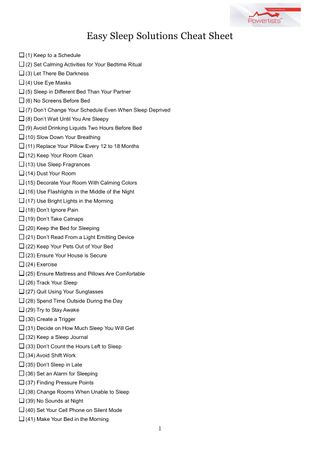
The book has 74 tips for better sleep health, and the free cheat sheet gives you the short version.
Easy Sleep Solutions: 74 Best Tips for Better Sleep Health

Get the free Easy Sleep Solutions cheat sheet
Frequently asked questions
Does writing down your worries help you sleep?
The NHS says writing down your worries can help clear your mind before bed. If you often worry in bed, it suggests making a list of what you need to do the next day before you go to sleep.
What should you do if you are lying awake?
The NHS says that if you are still awake after around 20 minutes, get up and sit somewhere comfortable. Go back to bed when you feel sleepy.
What causes racing thoughts at night?
The NHS says worry, stress and anxiety can make it harder to sleep, and it lists stress, anxiety or depression among the most common causes of insomnia.
When should you see a doctor about it?
The NHS says to see a GP if changing your sleeping habits has not helped, if you have had trouble sleeping for months, or if it makes daily life hard to cope with.