Seven hours is the floor that the main guidance agrees on. The CDC and the American Academy of Sleep Medicine (AASM) say adults need 7 or more hours a night. The NHS says 7 to 9. Here is what each source says, and what to do if you are not getting it.
How many hours of sleep do adults need?
The CDC lists sleep by age. For ages 18 to 60 it says 7 or more hours. For ages 61 to 64 it says 7 to 9 hours, and for ages 65 and older 7 to 8 hours (CDC, About Sleep).
The NHS gives one range for adults: 7 to 9 hours (NHS, insomnia).
The AASM and the Sleep Research Society wrote a consensus statement for adults: “Adults should sleep 7 or more hours per night on a regular basis to promote optimal health” (Watson et al., Journal of Clinical Sleep Medicine, 2015).
What happens if you sleep less than 7 hours?
The AASM statement says regularly sleeping under 7 hours is linked to weight gain and obesity, diabetes, high blood pressure, heart disease and stroke, depression, and a higher risk of death. It also lists weaker immunity, more pain, poorer performance, more errors and a greater chance of accidents.
The CDC page puts the same idea the other way round. Good sleep can lower your risk of conditions like type 2 diabetes, heart disease, high blood pressure and stroke, and it lessens the risk of motor vehicle crashes.
Those are links found in research, not a promise about any one person.
Can you sleep too much?
The AASM statement says regularly sleeping more than 9 hours may be appropriate for young adults, people recovering from sleep debt, and people with illnesses. For other people it says it is uncertain whether longer sleep carries health risks. If you always need far more than 9 hours, mention it to your doctor.
What counts as a sleep problem?
The NHS defines insomnia as regularly having trouble sleeping. If it lasts less than 3 months it is short-term insomnia. From 3 months on it is long-term.
One bad night is normal. A sleep problem is one that keeps coming back, or that leaves you struggling in the day. My rule of three for sleep problems is a simple way to sort a bad patch from a pattern.
What does the NHS suggest for a better night?
If you are short of the hours you need, the NHS insomnia page lists habits to try before anything else. Get up at the same time every day. Relax for at least an hour before bed, and only go to bed when you feel sleepy. Keep the bedroom dark and quiet. Do not use a television or a smartphone right before bed, because the blue light makes you more alert. Avoid cigarettes, alcohol, tea and coffee for at least 6 hours before bed, and avoid large meals late at night. Exercise regularly, but not within 4 hours of bedtime, and avoid naps in the day (NHS, insomnia, reviewed 19-Mar-24).
When should you see a doctor about sleep?
The NHS says to see a GP if:
- Changing your sleeping habits has not helped.
- You have had trouble sleeping for months.
- Your insomnia is affecting your daily life in a way that makes it hard to cope.
The CDC says to talk to your healthcare provider if you regularly have problems sleeping, or if you notice signs or symptoms of common sleep disorders. A provider can order tests, including sleep studies. The AASM says people worried they are sleeping too little or too much should consult their provider.
I am not a doctor, and nothing here is medical advice. See a doctor for any ongoing sleep problem.
What can you try before that?
Habits come first. A fixed wake-up time, morning light and a dark, cool bedroom are what I cover in can you learn to be a morning person. If you are thinking about pills, read sleeping pills for insomnia: think again first. If you wake in the night, see why do I wake up at 3am. If your mind will not switch off, see how to quiet racing thoughts at night. If you want to know about deep sleep and sleep trackers, see how much deep sleep you need.
Want more?
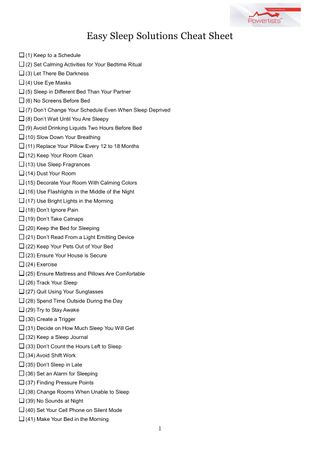
The book has 74 tips for better sleep health, and the free cheat sheet gives you the short version.
Easy Sleep Solutions: 74 Best Tips for Better Sleep Health

Get the free Easy Sleep Solutions cheat sheet
Frequently asked questions
How many hours of sleep do adults need?
The CDC and the American Academy of Sleep Medicine say 7 or more hours a night, and the NHS says 7 to 9. The CDC lists 7 to 9 hours for ages 61 to 64 and 7 to 8 hours for ages 65 and older.
What happens if you sleep less than 7 hours?
The AASM statement links regularly sleeping under 7 hours to weight gain, diabetes, high blood pressure, heart disease, stroke, depression and a higher risk of death. Those are links found in research, not a promise about any one person.
Can you sleep too much?
The AASM says more than 9 hours may be appropriate for young adults, people recovering from sleep debt and people with illnesses. If you always need far more than 9 hours, mention it to your doctor.
When should you see a doctor about sleep?
The NHS says to see a GP if changing your sleeping habits has not helped, you have had trouble sleeping for months, or insomnia makes daily life hard to cope with.
What does the NHS say to do before bed?
Relax for at least an hour, go to bed only when sleepy, keep the room dark and quiet, and avoid screens right before bed. Avoid tea, coffee, alcohol and cigarettes for at least 6 hours before bed, and avoid exercise within 4 hours of bedtime.