The simplest thing the NHS suggests for the person who is being kept awake is earplugs. The snorer can also try a few changes, such as sleeping on their side. But if the snoring comes with gasping, pauses in breathing or daytime sleepiness, it is worth a doctor’s visit, because it can be a sign of sleep apnoea. This is general information, not medical advice. Below: why people snore, what both of you can try, and when to get it checked.
Why does someone snore?
The NHS says snoring happens when the tongue, mouth, throat or nasal airways vibrate as you breathe. These parts relax and narrow during sleep. You are more likely to snore if you are overweight, smoke, drink heavily or sleep on your back. Sometimes sleep apnoea is behind it (NHS, Snoring, reviewed 4-Aug-23).
What can the person who is kept awake try?
The NHS page gives one tip for the partner: use earplugs if the snoring disturbs your sleep. Everything else in this section is my advice, not the NHS’s.
My advice: try earplugs for a week before you decide anything bigger. Go to bed first if you can, so you have a chance to fall asleep before the noise starts. And talk about it in daytime, not at 3am. A calm chat over breakfast gets you further than an elbow in the ribs at night.
Some couples decide to sleep in separate rooms, at least on bad nights. That is a choice some couples make, not something I recommend or the sources do. If it protects your sleep and you are both happy with it, it is your call. If either of you is unhappy about it, talk it through first.
What can the snorer try?
The NHS lists these self-help steps:
- Lose weight if you are overweight.
- Sleep on your side. The NHS says you can tape or stitch a tennis ball to the back of your nightwear, or use a special pillow or bed wedge, to stop you rolling onto your back.
- Stop smoking.
- Avoid drinking too much alcohol.
- Avoid sleeping pills, which can sometimes cause snoring.
Those are the NHS’s points. If they do not help, the next section says when to see a GP.
When does snoring need a doctor?
The NHS says to see a GP if lifestyle changes are not helping, if the snoring has a big impact on your life or your partner’s, if you feel sleepy during the day, if your breathing stops and starts while you sleep, or if you make gasping or choking noises. The last three can be signs of sleep apnoea, which the NHS says can be serious if not treated.
The US National Heart, Lung, and Blood Institute describes sleep apnea as a common condition in which breathing repeatedly stops and restarts during sleep, which can limit the oxygen your body gets. The most common type is obstructive sleep apnea, where the upper airway becomes blocked. It says to talk with your healthcare provider if you snore or gasp for air during sleep, or have signs of poor sleep quality such as daytime sleepiness (NHLBI, Sleep apnea, updated 9-Jan-25).
Often it is the partner who notices the pauses first. If that is you, say so kindly and suggest a check-up. It is a health point, not a complaint.
What about the rest of your sleep?
Even with the snoring handled, many people lie awake worrying about the lost sleep. Our guide to the rule of three for sleep problems helps you tell a passing bad patch from something to act on, and how to stop racing thoughts at night covers what the NHS suggests when your mind will not settle.
Want more?
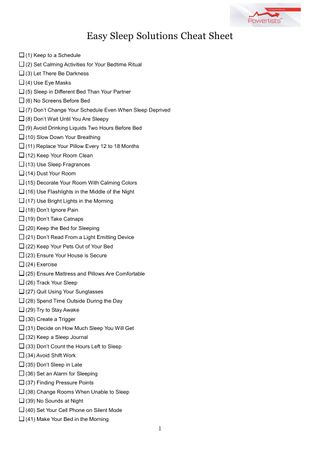
The book has 74 tips for better sleep health, and the free cheat sheet gives you the short version.
Easy Sleep Solutions: 74 Best Tips for Better Sleep Health

Get the free Easy Sleep Solutions cheat sheet
Frequently asked questions
What can I do if my partner snores?
The NHS suggests earplugs if the snoring disturbs your sleep. The snorer can also try sleeping on their side, losing weight if overweight, stopping smoking and avoiding too much alcohol.
Why does someone snore?
The NHS says snoring happens when the tongue, mouth, throat or nasal airways vibrate as you breathe. These parts relax and narrow during sleep.
When does snoring need a doctor?
The NHS says to see a GP if lifestyle changes are not helping, if you feel sleepy during the day, or if breathing stops and starts or you gasp or choke in your sleep. The last three can be signs of sleep apnoea.
Can sleeping pills cause snoring?
The NHS says sleeping pills can sometimes cause snoring, so it lists avoiding them among its self-help steps.