There is no single reason, and the NHS and NIH pages do not explain the clock time 3am itself. What the NHS does say is that waking in the night is a symptom of insomnia, and it lists causes you can check. This is general information, not medical advice.
Why do you wake in the night?
The NHS lists “wake up several times during the night” and “wake up early and cannot go back to sleep” as symptoms of insomnia. Its page on causes names these as the most common:
- stress, worry or low mood
- noise
- a bedroom that is too warm or too cold
- an uncomfortable bed
- alcohol, caffeine or nicotine
- jet lag and shift work
The NHS calls insomnia that lasts less than 3 months short-term insomnia, and insomnia that lasts 3 months or longer long-term insomnia. So a few bad weeks after a stressful event is not the same problem as waking at 3am every night for a season.
It also says some health conditions and many medicines can cause insomnia. Examples include some mental health conditions, restless legs syndrome, an overactive thyroid and menopause. It links night waking to sleep apnoea, where breathing is interrupted during sleep (NHS, Insomnia causes, last reviewed 19 March 2024).
MedlinePlus, from the US National Library of Medicine, lists “being awake for much of the night” and “waking up too early” as symptoms. It says caffeine, tobacco and alcohol can cause chronic insomnia, and that if insomnia is a symptom or side effect of another problem, it is important to treat that problem if possible (MedlinePlus, Insomnia, last updated 13 September 2024).
What can you do to get back to sleep?
The NHS gives these tips for insomnia, and they are the closest thing to an official answer:
- Go to bed only when you feel sleepy, and get up at the same time each day.
- Relax for an hour before bed, and keep your bedroom dark and quiet.
- Avoid smoking, alcohol and caffeine for at least 6 hours before bed.
- Avoid screens right before bed, because the blue light keeps you alert.
- Skip daytime naps, and do not sleep in after a poor night.
- Do not eat a big meal late at night.
- Make sure your mattress, pillows and covers are comfortable.
(NHS, Insomnia, last reviewed 19 March 2024). Another NHS page adds that you should avoid exercise in the 4 hours before bed, and be active in the morning or early afternoon.
The NHS pages do not say what to do in the minutes after you wake at night, such as whether to get up, so there is no official rule for that. The sources put the effort into the daytime and evening habits above.
What if worry keeps you awake?
Stress, worry and low mood are the first cause on the NHS list. The NHS says cognitive behavioural therapy (CBT) can help with the thoughts and behaviours that stop you sleeping. A GP may offer it, face to face or as an online self-help programme. MedlinePlus says CBT can help with anxiety linked to chronic insomnia.
When should you see a doctor?
The NHS says to see a GP if:
- Changing your sleeping habits has not helped your insomnia.
- You have had trouble sleeping for months.
- Insomnia makes daily life hard to cope with.
The NHS says a GP will try to find out what is causing your insomnia, and may refer you to a sleep clinic if you have symptoms of another sleep disorder such as sleep apnoea. It also says GPs now rarely prescribe sleeping pills for insomnia, and then only for a few days or weeks at most.
If you wake often and your partner says you snore or stop breathing, mention that too, since the NHS links night waking to sleep apnoea.
I am not a doctor, and nothing here is medical advice. See a doctor for any ongoing sleep problem.
What next?
How much sleep do adults need explains what counts as a sleep problem. If you are wondering about pills, read sleeping pills for insomnia: think again, and for supplements see do magnesium or melatonin help you sleep. If it is a partner’s snoring that wakes you, see How Do You Sleep Next to a Snoring Partner?.
Want more?
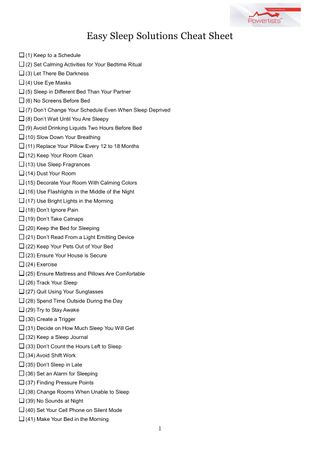
The book has 74 tips for better sleep health, and the free cheat sheet gives you the short version.
Easy Sleep Solutions: 74 Best Tips for Better Sleep Health

Get the free Easy Sleep Solutions cheat sheet
Frequently asked questions
Why do I wake up at 3am?
The NHS and NIH pages do not explain waking at exactly 3am. The NHS lists waking several times in the night as a symptom of insomnia, with causes such as stress, noise, a room that is too warm or cold, alcohol, caffeine and nicotine.
Is waking in the night a sign of insomnia?
The NHS lists waking several times during the night, and waking early and not getting back to sleep, as symptoms of insomnia.
What can I do to sleep through the night?
The NHS tips include going to bed only when sleepy, getting up at the same time each day, relaxing for an hour before bed and avoiding smoking, alcohol and caffeine for at least 6 hours before bed.
When should I see a doctor?
The NHS says to see a GP if changing your sleeping habits has not helped, if you have had trouble sleeping for months, or if insomnia makes daily life hard to cope with.