Probably not, at least not in a way you can rely on. A drink may make you feel sleepy, but the NHS lists alcohol as a common cause of insomnia. For cannabis, the US National Center for Complementary and Integrative Health (NCCIH) says the effects on sleep problems are uncertain for people who do not have other illnesses. This is general information, not medical advice. Below: what the sources say about each, where the research is mixed, and what to try instead.
Does alcohol help you sleep?
It can feel like it does, which is why so many people reach for a nightcap. The official advice points the other way. The NHS lists alcohol among the common causes of insomnia and says not to smoke or drink alcohol, tea or coffee at least 6 hours before going to bed (NHS: insomnia, reviewed 19-Mar-24).
A review in Alcohol Research & Health, a journal of the US National Institute on Alcohol Abuse and Alcoholism, adds some detail. It says REM sleep is generally suppressed during drinking, and that people with alcohol dependence develop tolerance to the sleep-inducing effects of alcohol (Brower, 2001). That paper is mostly about people who are dependent on alcohol, and it is from 2001, so it does not tell you what one glass of wine does to your night.
Alcohol can also make snoring worse. The NHS lists drinking too much alcohol as something that makes you more likely to snore (NHS: snoring, reviewed 04-Aug-23). Our post on sleeping next to a snoring partner covers that.
Does cannabis help you sleep?
The honest answer is that nobody can say for sure. NCCIH says many studies in people with other conditions, such as multiple sclerosis, PTSD or chronic pain, reported some sleep improvements, but it is uncertain whether the cannabis products affected sleep directly. It adds that the effects on sleep problems in people who do not have other illnesses are uncertain (NCCIH: cannabis and cannabinoids, last updated November 2019).
The same page lists risks. In pain studies, side effects were more common among people taking cannabis or cannabinoids than among those taking a placebo. Cannabis use is linked to a higher risk of motor vehicle crashes. For CBD, NCCIH lists decreases in alertness and changes in mood, and says CBD use has been associated with liver injury and interactions with other drugs. Over-the-counter CBD products may not contain the amount on the label.
NCCIH’s page is from 2019, so ask a doctor or pharmacist about anything newer.
What works better?
The NHS says insomnia usually gets better by changing your sleeping habits. Its tips include regular wake-up times, relaxing for an hour before bed and a dark, quiet bedroom. It says to check with a doctor before you take anything for sleep problems. Our posts on magnesium and melatonin and sleeping pills go through those options.
My advice: if you use a drink or a gummy most nights to get to sleep, treat that as a signal, not a solution. Try a fixed wake-up time and a wind-down hour for a few weeks and see what changes.
When should you see a doctor?
See a GP if changing your sleep habits has not helped, if you have had trouble sleeping for months, or if it is hard to cope in the day (NHS: insomnia).
If you are worried about how much you drink, or how much you use cannabis, please talk to a doctor too. The NHS says a good place to start is a GP, and to be honest about how much you drink and what problems it causes. If you are physically dependent on alcohol, get advice before you stop, because stopping suddenly could be harmful (NHS: alcohol support, reviewed 17-Aug-26).
Want more?
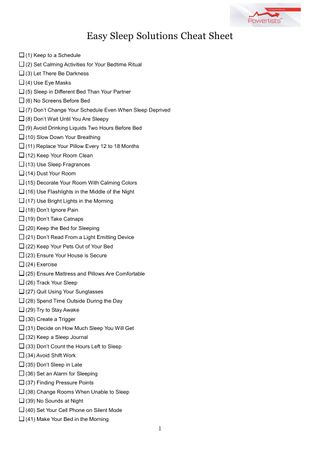
The book has 74 tips for better sleep health, and the free cheat sheet gives you the short version.
Easy Sleep Solutions: 74 Best Tips for Better Sleep Health

Get the free Easy Sleep Solutions cheat sheet
Frequently asked questions
Does a drink before bed help you sleep?
It may feel that way, but the NHS lists alcohol as a common cause of insomnia and says not to drink alcohol at least 6 hours before bed.
Does cannabis help with insomnia?
The evidence is mixed. NCCIH says the effects of cannabis on sleep problems in people who do not have other illnesses are uncertain.
When should I talk to a doctor about my drinking or use?
If you often feel the need to drink, people warn you about it, or you think it is causing you problems, the NHS says a GP is a good place to start. If you are dependent, get advice before you stop.