This post contains affiliate links. If you buy through one, Urgesta AS may earn a commission at no extra cost to you. Read more.

Sleeping pills can help for a few days or weeks, but they carry real side effects and your body can become dependent on them, so they are not a long-term fix. Try the simple things first, and if you already take them, do not stop without asking your doctor. This post is general information, not medical advice.
Should you take sleeping pills for insomnia?
Only as a short-term measure, and usually not as the first thing. The NHS says that “GPs now rarely prescribe sleeping pills to treat insomnia”, and mostly when insomnia is very bad or other treatments have not worked. It adds that sleeping pills “can have serious side effects and you can become dependent on them”, and that they are usually prescribed for a few days or weeks at the most (NHS: insomnia treatment, reviewed 19-Mar-24).
What are the side effects?
The NHS notes that sleeping aids from the pharmacy can cause drowsiness, which can make driving hard the next day, and that they may help you sleep better for 1 to 2 weeks and should not be taken for longer. MedlinePlus says over-the-counter aids usually contain antihistamines and your body quickly becomes used to them, and that most prescription sleep medicines “can become habit-forming and over time work less well” (MedlinePlus: insomnia, reviewed 15-May-26).
The US National Heart, Lung, and Blood Institute adds that benzodiazepines “should be taken for only a few weeks” and can interact dangerously with other medicines, and that research has not proven melatonin supplements are an effective treatment for insomnia (NHLBI: insomnia treatment, last updated 24-Mar-22).
That is the catch with sleeping pills: the pills meant to help you sleep come with their own problems. A nightcap or cannabis is not a safe shortcut either; see do alcohol or cannabis help you sleep.
What works better than sleeping pills?
MedlinePlus says that “making changes in your lifestyle and sleep habits is the best treatment for problems with falling and staying asleep”. The NHS says you may be offered cognitive behavioural therapy (CBT), which helps you change the thoughts and behaviours that keep you from sleeping, in person or as an online self-help program. The NHLBI describes CBT-I as a 6 to 8 week treatment plan, usually recommended as the first treatment option for long-term insomnia. See your GP if changing your habits has not helped, if you have had trouble sleeping for months, or if it is hard to cope.
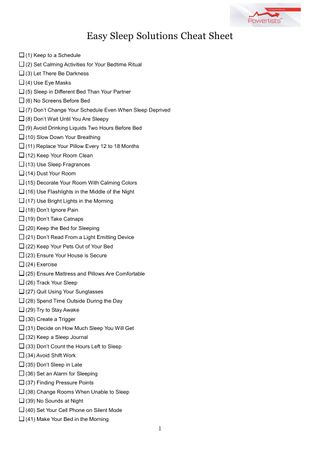
You don’t need a perfect fix. A couple of tricks that work partly can make a big difference. A few from my book:
- Slow down your breathing
- Replace your pillow every 12 to 18 months
- Keep your room clean and dusted
- Use sleep fragrances
For a start, see how to wake at the same time every day and when a sleep problem needs a doctor, and how to quiet racing thoughts at night.
Thinking about melatonin or magnesium instead? See do magnesium or melatonin help you sleep.
What do the warnings say about a common prescription sleeping pill?
Zopiclone is one example. The NHS page on it says treatment usually lasts a few days to a few weeks, and that it is usually not prescribed for more than 4 weeks because the body can become used to it and it may work less well. Common side effects include feeling tired, sleepy, dazed or less alert the next day, and the NHS says not to drive, ride a bike or use machinery for 12 hours after taking it. You can become addicted to it, and stopping suddenly can cause withdrawal symptoms such as agitation or anxiety, so doctors reduce the dose gradually (NHS: zopiclone, reviewed 22-Jun-26).
The NHLBI lists other types too, each with its own cautions. For some of the common prescription sleeping pills, side effects can include anxiety, and in rare cases activities during sleep, such as walking, eating or driving. It also says over-the-counter antihistamines sold as sleep aids can be unsafe for some people, so check with a doctor first. Each medicine is different, which is why this decision belongs with your doctor or pharmacist.
What habits does the NHS suggest you try first?
The NHS insomnia page lists simple steps, which you can try tonight (NHS: insomnia, reviewed 19-Mar-24):
- Go to bed only when you feel sleepy, and get up at the same time each day.
- Wind down for at least an hour before bed, for example with a bath or a book.
- Keep your bedroom dark and quiet.
- Avoid smoking, alcohol, tea and coffee for at least 6 hours before bed.
- Exercise during the day, but not within 4 hours of bedtime.
- Avoid large late meals, daytime naps and screens right before bed.
When should you see a doctor about insomnia?
The NHS says to see your GP if you have had trouble sleeping for months, if changing your sleep habits has not helped, or if your insomnia makes daily life hard to cope with. MedlinePlus says the same in a simpler way: contact your health care provider if insomnia has become a problem for you. If you already take sleeping pills, ask your doctor before changing the dose or stopping.
Want more?
Easy Sleep Solutions: 74 Best Tips for Better Sleep Health

Get the free Easy Sleep Solutions cheat sheet
Photo by: e-Magine Art
Frequently asked questions
Can I stop taking sleeping pills suddenly?
Talk to your doctor before you change or stop sleeping pills. They can tell you whether to taper and what to do if sleep gets worse.
Are over-the-counter sleep aids safer than prescription ones?
Not necessarily. The NHS says pharmacy sleeping aids cannot cure insomnia, may help for 1 to 2 weeks and should not be taken for longer, and they can cause drowsiness.
What is CBT for insomnia?
It is a talking therapy that helps you change the thoughts and behaviours that keep you from sleeping. The NHS says it is offered face to face or as an online self-help program.
How long can you take sleeping pills?
Usually only a few days or weeks. For zopiclone, the NHS says it is usually not prescribed for more than 4 weeks because the body can become used to it and it may work less well.